
What is sleep apnea?
Sleep apnea is when breathing is repeatedly interrupted during sleep causing frequent arousal.
Diagnosis of Sleep Apnea
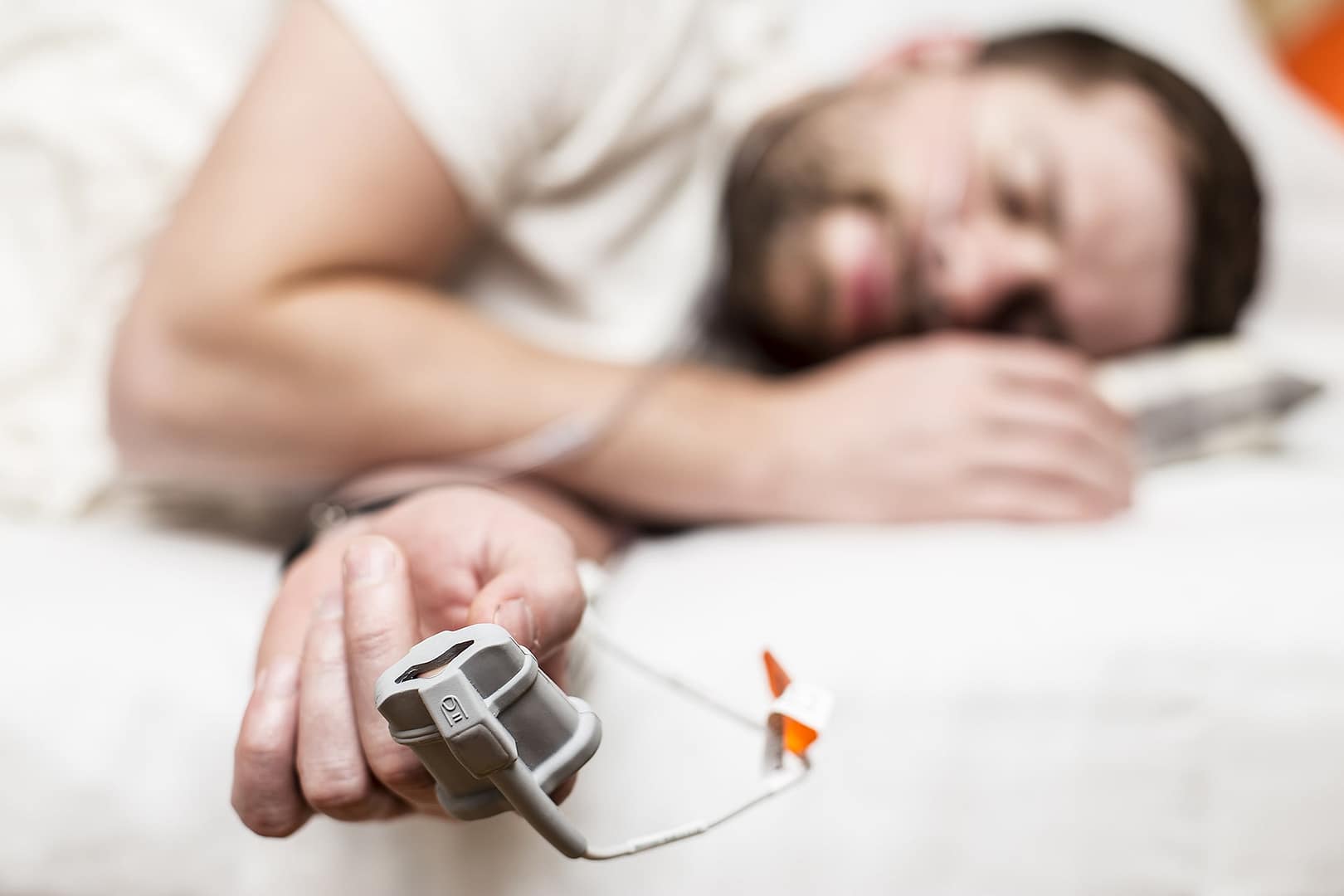
Sleep study or polysomnography(PSG) is the standard in diagnosing sleep apnea. The study is done at the (1) sleep clinic or (2) at home. The study at the clinic is more detailed.
The following information is obtained from the PSG
- Blood oxygen saturation
- Chest and abdomen movement
- Body position
- Heart rate
- Eye movement
- Brain waves
How Sleep Apnea is Measured
Sleep apnea severity is measured by Apnea Hypopnea Index (AHI). AHI is an index used to indicate the severity of sleep apnea by counting the number of apnea and hypopnea events per hour of sleep.
- AHI less than 5, no sleep apnea
- AHI 5-15, mild apnea
- AHI 15-30 moderate apnea
- AHI greater than 30 severe apnea
When AHI is less than 5, it means no sleep apnea; however, the UARS may still be present. UARS (Upper airway resistance syndrome) is the blockage of the air in the nasal passageway. UARS is not sleep apnea by definition because the AHI score is less than 5. Nonetheless, UARS is a sleep issue as it causes fragmented sleep.
RERA (Respiratory Effort Related Arousal) happens when you experience an arousal from a decrease in oxygen saturation with an AHI of less than 5.
Another index used with sleep apnea is RDI (Respiratory Disturbance Index) which is a combination of AHI and RERA events.
Causes of Sleep Apnea
- OSA (obstructive sleep apnea) is a breathing-related sleep disorder where the soft tissue of the throat relaxes during sleep, reduces the airway’s size, and slows or stops the air flows resulting in apnea. As the airway collapses, a sufficient amount of oxygen cannot get into the blood. The brain then causes arousal to open up the airways; there may be a snore or gasp. The pattern can repeat itself five to 30 times or more each hour, all night, causing fragmented sleep. (AHI of greater than 5)
- UARS (Upper Airway Resistance Syndrome) is the airway’s narrowing leading to sudden arousal during sleep from the lack of blood oxygen level. (AHI of less than 5)
- Sleep movement disorders such as restless legs syndrome.
Differences between OSA and UARS
- One of the big differences between OSA and UARS is the AHI score. By definition, OSA has an AHI score of more than 5, whereas UARS has less than 5
- OSA is more prevalent in men, while UARS affects women more than men
- OSA tends to occur more in obese individuals
- Heart rate is consistently higher with OSA, while with UARS, the heart rate is generally lower with sudden spikes when you experience arousal.
Implications of Sleep Apnea
Sudden drops in blood oxygen level cause the cardiovascular system to compensate by increasing the blood pressure causing hypertension, which in turn increases the stress hormone cortisol released in the blood.
Sleep Apnea Increases the Risk of:
- Type 2 diabetes
- Hypertension
- Heart attack
- Acid reflux
- Fatigue
- Irritability
- Mental confusion
- Weight gain
- Dry mouth
- Sleep bruxism
- Car accident
Risk Factors
The airway’s collapsibility is determined by how flaccid the muscles are and the anatomy of the airway. For example. with age, our muscles become flabby. Consumption of alcohol relaxes the muscles. Obesity tightens the airway. Smoking causes inflammation, swelling and fluid retention hence narrowing the airway.
- Age
- Smoking
- Alcohol
- Obesity
- Family history
- Narrow airway
- Large neck size
- Men
- Medical conditions
Treatment for OSA
Lifestyle changes by losing weight, smoking cessation helps to increase the airway. In the case of severe apnea, CPAP (continuous positive air pressure) is a top choice for treatment. If the patient cannot tolerate CPAP, a dental oral appliance is used. Treatment for UARS is very similar to OSA
- Maintain a healthy weight
- Avoid smoking
- Avoid alcohol
- Control medical conditions such as diabetes and hypertension.
- Sleep on the side
- Sleep with head elevated
- Breathing exercises
- Use humidifier
- CPAP
- Oral appliance.
- Orthopedics to expand the dental arches
- Myofunctional Therapy to train the tongue.
- Surgery to remove tonsils and adenoids
- Surgery to remove the uvula